How Mandatory Responsible Gaming Features Shape the Structure of Initial Offers at Swedish Betting Operators
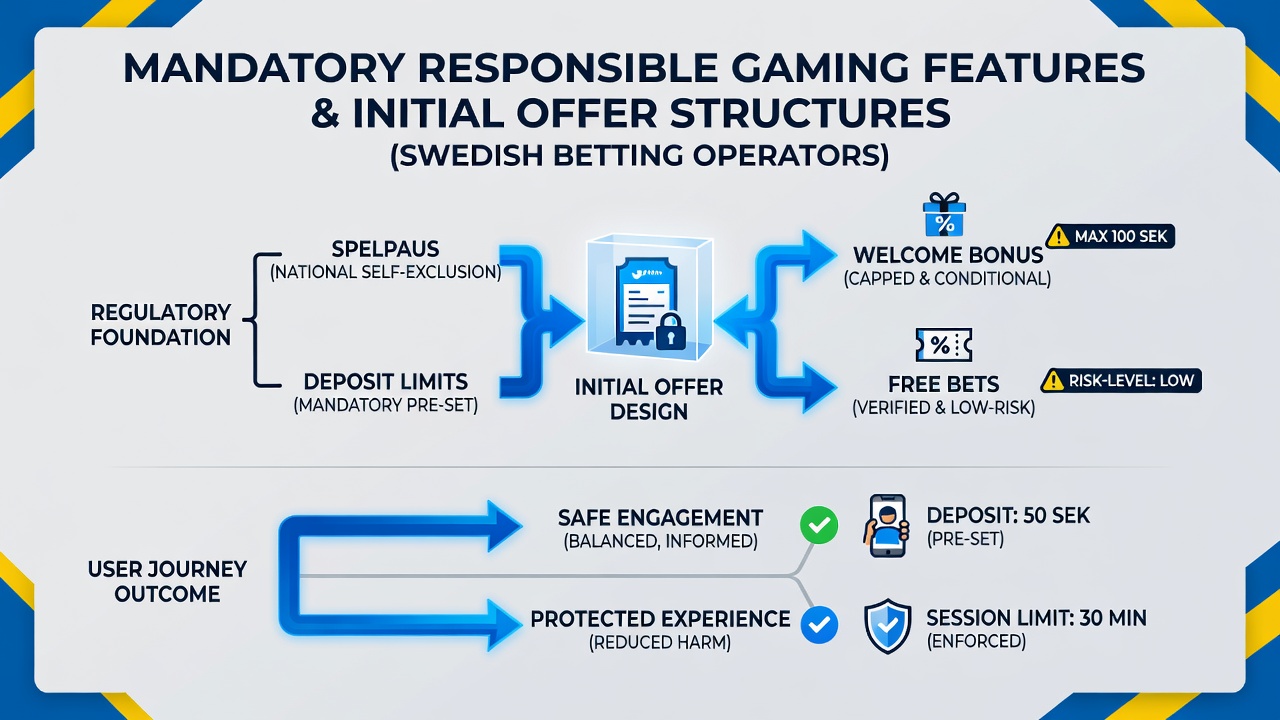
Swedish licensed betting operators integrate mandatory responsible gaming tools directly into their initial offers, and this integration alters bonus structures in measurable ways. Regulators through Spelinspektionen enforce features such as deposit limits, reality checks, and self-exclusion options that operators embed from the moment a player registers. These requirements prevent operators from offering unrestricted welcome packages while still allowing competitive promotions that comply with legal standards.
Regulatory Baseline for Initial Offers
Operators in Sweden design welcome bonuses around the obligation to present players with deposit caps and loss limits during account creation, and this process shifts how free bets or matched deposits appear in promotional materials. Data from industry reports indicate that bonus amounts often tie to a player's chosen deposit ceiling, which means larger advertised sums require higher initial limits that many new users set conservatively. The structure therefore favors smaller, capped incentives over unlimited high-value offers that appeared before stricter rules took hold.
Deposit Limits and Bonus Scaling
Deposit limit prompts appear before any bonus activates, so operators structure initial offers with tiered rewards that scale only after a player confirms their personal threshold. This setup reduces the appeal of flat-rate high bonuses because users who select modest daily or weekly caps receive proportionally smaller matched amounts or fewer free spins. Observers note that promotions now frequently include built-in reminders about adjusting limits, and these messages sit alongside the terms for claiming the offer.
Reality Checks and Wagering Adjustments
Reality check notifications interrupt play at set intervals, and operators adjust wagering requirements on initial offers to account for these breaks that can extend completion times. A matched deposit bonus might carry a lower multiplier when paired with mandatory session reminders, yet the overall value stays aligned with regulatory expectations. Studies from European research institutions show that such features lead operators to emphasize time-limited bonuses that fit within typical reality check windows rather than long-term accumulation challenges.
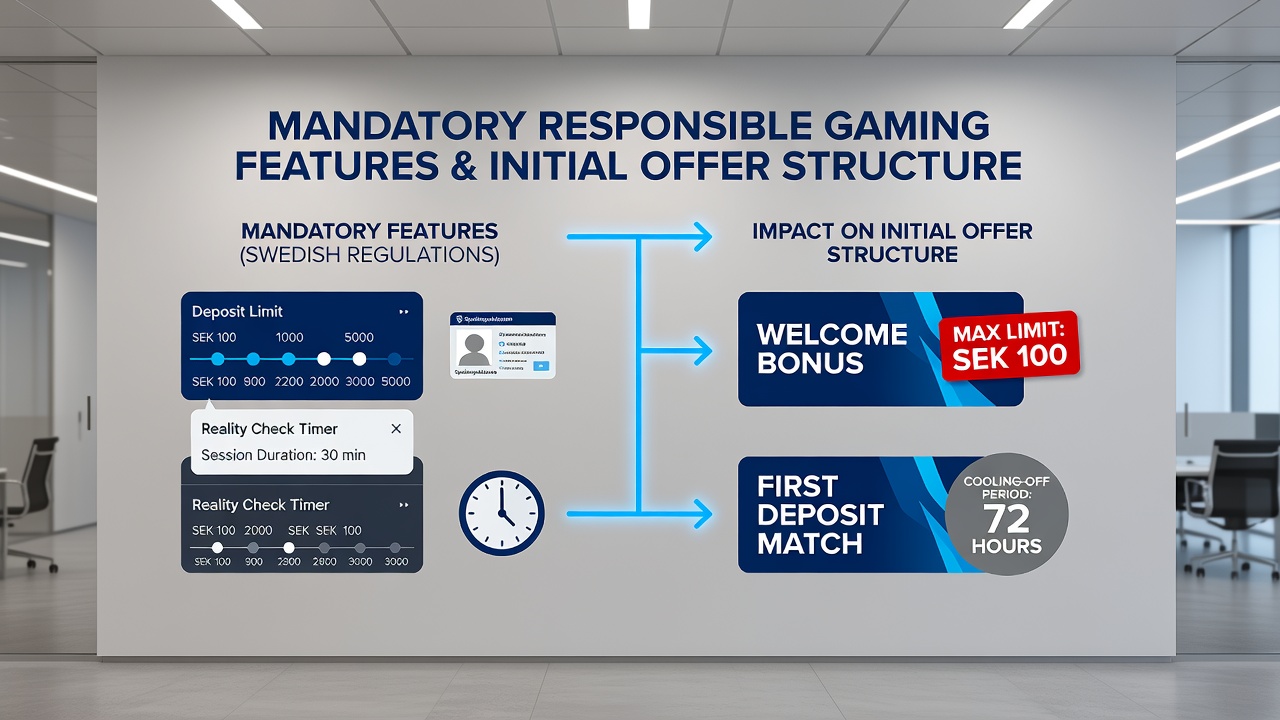
Self-exclusion lists update in real time across licensed platforms, which forces operators to verify eligibility before any initial offer activates. Players already on exclusion registers cannot claim bonuses, so marketing materials now include clear eligibility checks that reference the national self-exclusion system. This verification step adds an extra layer to the onboarding flow and shapes how operators present time-sensitive promotions around major events in October 2026.
Examples from Licensed Platforms
One operator adjusted its sign-up offer to include a deposit match capped at the player's selected limit, while another introduced free bet credits that expire faster when reality checks trigger. These modifications appear consistently across platforms because regulators require transparent communication of responsible gaming tools alongside every promotional claim. Figures from compliance audits reveal that operators who embed these features early in the offer process maintain higher retention rates among new users who appreciate the built-in safeguards.
Broader Market Patterns in 2026
As of October 2026, licensed Swedish operators continue refining initial offers to balance regulatory demands with player acquisition goals, and this refinement shows in reduced emphasis on no-deposit bonuses that once bypassed limit-setting steps. Instead, promotions highlight matched deposits that activate only after players review and confirm their responsible gaming settings. Academic analyses from Canadian research centers and Australian gaming studies support the observation that similar mandatory tools in other jurisdictions produce comparable shifts toward capped, transparent bonus structures.
Conclusion
Mandatory responsible gaming features in Sweden directly influence the design and presentation of initial offers by requiring operators to incorporate limit tools, verification steps, and session reminders from the first interaction. These elements create bonus structures that prioritize compliance and player protection while still delivering competitive value. The result is a market where welcome packages reflect regulatory priorities rather than unrestricted marketing tactics, and this pattern persists across platforms as operators adapt to ongoing oversight.