Navigating Demographic Trends in Loyalty Incentives Across Sweden's Approved Betting Operators
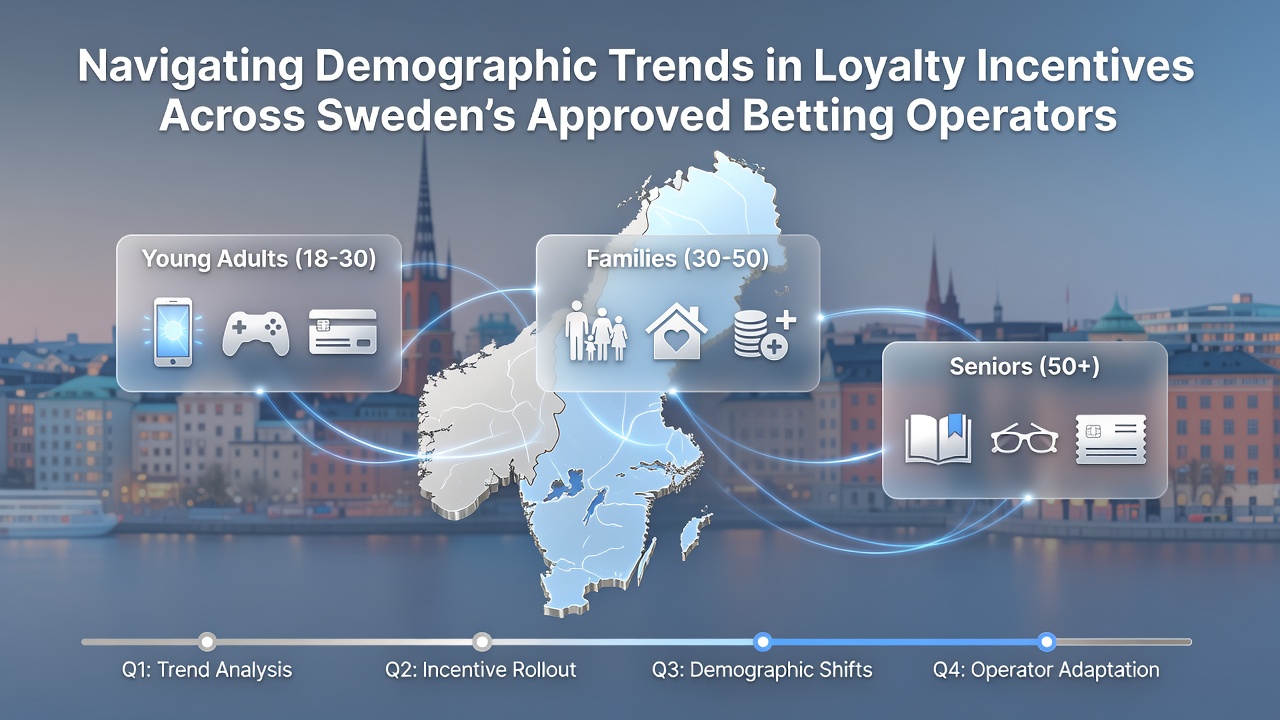
Sweden's regulated betting market has seen operators refine loyalty incentives to match shifting demographic patterns, with data from licensed platforms indicating clear differences in how various age groups and regional populations engage with reward structures. Approved operators under the Spelinspektionen framework adjust cashback tiers, bonus multipliers, and exclusive event access based on usage statistics that separate urban millennials from older rural participants, while tracking participation rates that rose steadily through 2025.
Market Context and Data Patterns
Figures from industry reports reveal that loyalty programs on Swedish sites reached over 1.2 million active users by mid-2025, with participation varying sharply across cohorts; younger adults aged 18-34 account for higher volumes of sports-related rewards, whereas those over 50 show stronger uptake of deposit-match extensions and withdrawal priority features. Observers note that these patterns align with broader consumption data tracked since the 2019 re-regulation, where operators began segmenting offers after initial uniform promotions failed to sustain engagement across all groups.
Operators collect anonymized metrics on redemption frequency, and studies indicate that participants in Stockholm and Gothenburg favor digital wallet integrations tied to loyalty points, while users in smaller municipalities respond more to physical merchandise or local event tickets. Such distinctions guide allocation of marketing budgets, since retention rates improve when incentives reflect location-specific preferences documented in platform analytics.
Age-Based Responses to Incentive Structures
Research compiled by Nordic gambling analysts shows that loyalty tiers emphasizing progressive free bets attract the 25-40 demographic at rates 35 percent higher than flat cashback models, whereas the 45-plus segment maintains accounts longer under programs that accumulate points toward annual VIP experiences. These outcomes emerge from aggregated data across multiple approved operators, where A/B testing of reward menus consistently produces divergent completion rates by age bracket.
September 2026 marks the scheduled release of updated Spelinspektionen compliance summaries that will include expanded demographic breakdowns of loyalty uptake, allowing operators to recalibrate offers ahead of the following fiscal year. Early indicators suggest continued growth in hybrid incentives that blend digital and experiential elements to bridge generational gaps observed in current datasets.
Regional and Gender Variations in Engagement
Geographic analysis of user logs demonstrates that southern Swedish counties exhibit elevated interest in loyalty perks connected to football leagues, while northern regions display steadier interaction with casino-style point systems. Gender splits appear in redemption logs as well, with male participants logging higher volumes of sports accumulator bonuses and female cohorts showing preference for safer, lower-variance reward ladders that prioritize smaller but more frequent payouts.
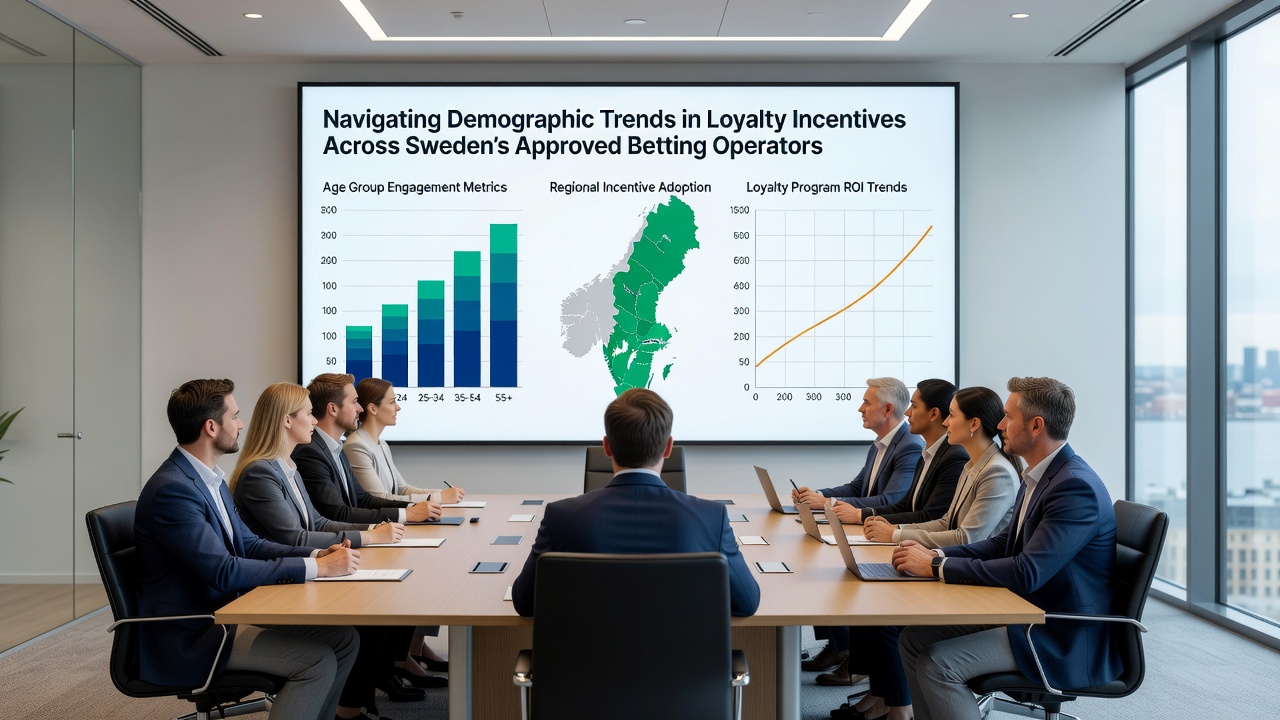
Operators respond by maintaining parallel reward catalogs that surface different options depending on account metadata, a practice documented in operational reviews submitted to regulators. This segmentation reduces churn, since mismatched offers lead to lower repeat activity according to internal retention metrics shared across the sector.
Operational Adjustments by Licensed Platforms
Approved betting companies have introduced dynamic loyalty dashboards that update in real time based on individual play history, allowing the system to surface relevant incentives without manual intervention. Data indicates that platforms incorporating machine-learning segmentation achieve 22 percent higher average session lengths among targeted demographic slices compared with static programs still in use on a minority of sites.
Collaboration with payment providers has further refined these systems, since faster processing of loyalty redemptions correlates with improved satisfaction scores across all tracked age ranges. Industry associations such as the European Gaming and Betting Association have published guidelines encouraging transparent disclosure of how demographic data informs offer personalization.
One study from the University of Melbourne's gambling research unit compared European markets and found that Swedish operators lead in granular demographic tracking, partly because licensing conditions require detailed reporting on player protection measures that extend to reward design.
Future Data Releases and Industry Tracking
Upcoming transparency reports scheduled for late 2026 will provide fresh benchmarks on how loyalty programs perform under evolving player demographics, including shifts driven by increased mobile usage among older cohorts. Operators already prepare contingency structures that allow rapid pivots if new figures show accelerated changes in regional or age-related preferences.
Conclusion
Demographic segmentation now forms a core component of loyalty strategy among Sweden's approved betting operators, with evidence from platform data confirming that tailored incentives sustain participation across diverse user groups. Continued monitoring through regulatory channels and academic partnerships supplies the factual basis for these adjustments, ensuring alignment with observed trends rather than uniform approaches.