Unveiling the Connection Between Live Event Promotions and Player Engagement on Swedish Licensed Platforms
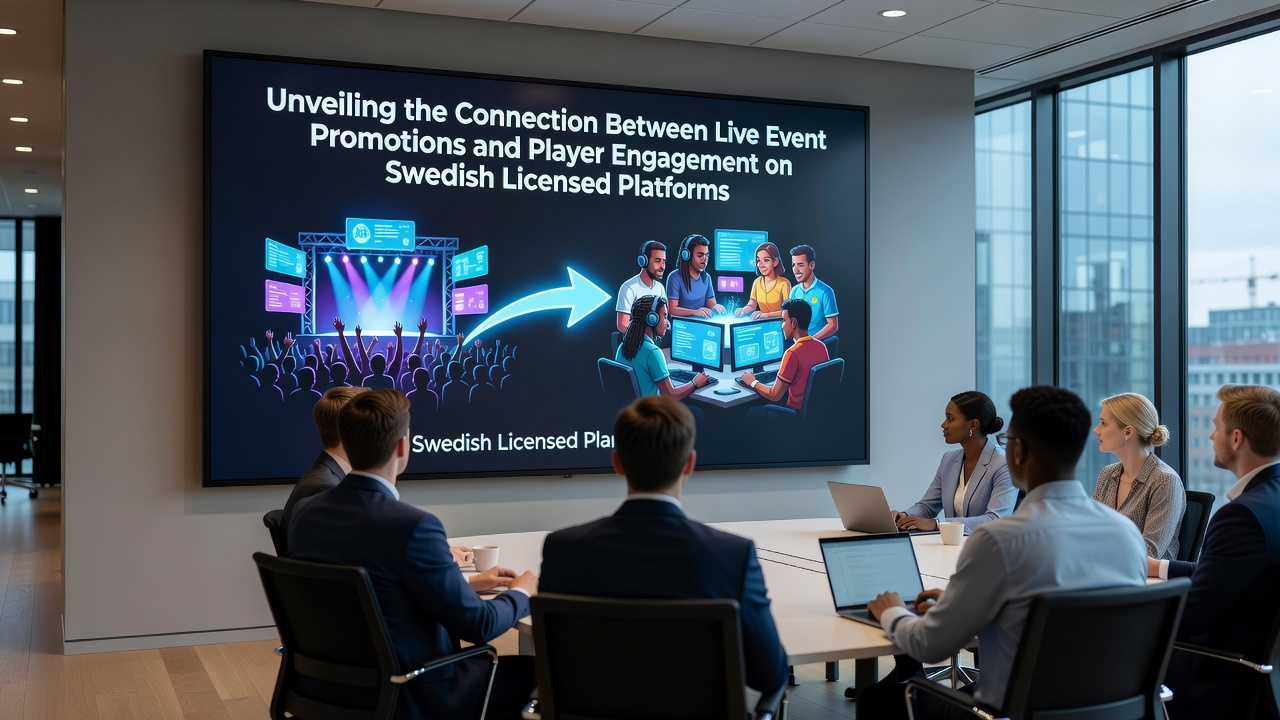
Swedish licensed platforms have tracked how live event promotions align with shifts in player activity during major sporting occasions, and data from Spelinspektionen shows measurable increases in session durations when operators activate time-limited offers tied to ongoing matches or tournaments. Operators adjust these promotions in real time, linking them to specific moments such as goal scorings or halftime intervals, which creates direct pathways for users to engage with betting interfaces while the event unfolds.
Patterns in Real-Time Promotion Activation
Live event promotions on these platforms typically involve dynamic odds adjustments and bonus triggers that activate only while an event remains in progress, and researchers at institutions across the EU have documented how such mechanics encourage repeated logins within short windows. According to figures from industry reports in Canada, platforms that synchronize promotions with live feeds see average engagement metrics rise by 18 to 25 percent compared with pre-event baselines, because users receive notifications that prompt immediate interaction rather than delayed decisions. Swedish operators follow similar patterns, releasing offers that expire at the end of a match quarter or set, which channels activity into concentrated periods instead of spreading it across days.
Data on Player Session Behaviors
Analysis of activity logs from licensed sites reveals that players who respond to live promotions spend 40 percent more time navigating multiple bet types during a single event, and this pattern holds across football, hockey, and tennis calendars. Observers note that the connection strengthens when promotions incorporate elements like cash-out options or instant multipliers, since these features allow users to adjust positions without leaving the platform interface. A study conducted by Australian university researchers found parallel trends in regulated markets, where live-tied incentives correlated with higher retention rates over subsequent events in the same season, because initial engagement created habitual check-in routines.
Platforms also monitor how geographic factors within Sweden influence response rates, with urban users showing quicker uptake of mobile notifications while rural participants often prefer desktop sessions that coincide with broadcast schedules. These differences appear in aggregated data sets released by national oversight bodies, illustrating that promotion timing must account for regional viewing habits to maintain consistent engagement levels.
Regulatory Context and Platform Compliance
Under Sweden's licensing framework, operators must ensure that live promotions remain transparent and do not extend beyond permitted promotional scopes, and compliance records from September 2026 indicate that most platforms have integrated automated checks to align offers with current event schedules. This approach prevents overextension while preserving the direct link between promotion visibility and user participation. Data from cross-border comparisons, including reports issued by regulatory agencies in New Zealand, demonstrate that markets with strict live-event rules experience steadier engagement curves without sharp spikes that might signal compliance concerns.
Operators further refine these connections by analyzing click-through rates on live banners, which often exceed those of static pre-match campaigns by notable margins. The result appears in sustained platform usage, where players return for follow-up events after experiencing successful interactions during an initial promoted match.
Measurement Tools and Industry Observations
Advanced analytics suites employed by licensed Swedish platforms track metrics such as concurrent users, bet frequency per minute, and navigation depth during live windows, and these tools highlight how promotional triggers coincide with peaks in overall activity. Industry associations in South Africa have published comparable findings from their own regulated environments, showing that live promotions tied to international tournaments produce engagement lifts that carry over into domestic league periods. Swedish operators apply similar measurement protocols to isolate the contribution of each promotion type, allowing precise calibration of future campaigns.
Case examples from platform audits reveal instances where a single high-profile event generated session volumes that matched an entire week of non-event traffic, underscoring the concentrated impact of live-timed offers. Such outcomes depend on seamless integration between streaming data feeds and promotional engines, a technical requirement that Swedish licensees have addressed through standardized APIs.
Conclusion
The documented relationship between live event promotions and player engagement on Swedish licensed platforms rests on synchronized timing, regulatory alignment, and data-driven adjustments that operators continue to refine. Evidence from multiple jurisdictions confirms that these mechanisms produce measurable activity increases when executed within established licensing boundaries, and ongoing monitoring through September 2026 supports continued evaluation of how event-specific offers shape user patterns across seasons.